English| EUR
Suggested for you
More currencies
Choose a language
Most visitors underestimate the scale of the Memorial and build their day around a figure that is too small. The State Museum spans two separate sites several kilometres apart, and the walking distance alone shapes how long a visit takes. This auschwitz tour length guide sets out the realistic hour counts before you commit to a train, a bus or a return time.
Quick answer
Allow at least three and a half hours for Auschwitz I and Birkenau together, and a full half-day if you want time to pause. Grounds admission is 0 PLN, though entry cards must be reserved online, and gates open at 07:30 daily. Walking between the two sites and the free shuttle wait both extend the realistic auschwitz tour length.
Birkenau alone covers roughly 140 hectares — more than twenty times the footprint of Auschwitz I. That single statistic explains why the question of auschwitz tour length has no tidy one-hour answer. The Memorial is not a single building with a loop route. It is two preserved camps, separated by about three kilometres, connected by a free shuttle bus that runs on its own rhythm. Visitors who plan around the first site only tend to discover Birkenau too late in the day to walk its full length. At Auschwitz I, the time goes into interiors. Brick blocks house the national and thematic exhibitions, and movement slows in the narrow corridors of Block 11, the basement cells and the display rooms holding confiscated belongings. Groups bunch at doorways. At Birkenau, the time goes into distance instead: the wooden barracks, the ramp where selections took place, the ruins of the crematoria at the far end of the main axis, and the International Monument beyond them. The walk from the brick gatehouse to the monument and back is roughly two kilometres on uneven gravel and grass, which is why an Auschwitz-Birkenau tour reads longer on the ground than it does on paper. Season matters to duration more than most people expect. In October the daylight shortens quickly and the open fields of Birkenau carry wind off the Vistula plain, so visitors move faster and often cut the far perimeter short. In July, heat and volume do the opposite — queues at the shuttle and at exhibition entrances add dead time that no itinerary accounts for. Oświęcim winters bring mud and ice to the Birkenau paths, and sturdy footwear changes pace noticeably. The practical use of a realistic figure is simple: it dictates your return transport. Day visitors arriving from Kraków frequently book a bus or train back that assumes three hours at the Memorial, then rush the second site or skip it. Treat the drive or rail journey as separate from the visit itself, and add the shuttle transfer as its own block. Educational study visits and extended guided options run considerably longer than the standard route, sometimes across two days. Setting your auschwitz tour length before you book the journey home is the one decision that protects the quieter half of the Memorial from being abandoned at the gate.
“The Memorial is not a single building with a loop route — it is two camps, three kilometres apart, and the distance between them is part of the visit.”
This plan suits a first-time visitor covering both parts of the State Museum in one day, and it runs roughly three and a half hours of guided content plus transfer time — closer to four to five hours door to door once you add the security check and the shuttle between sites. Both Auschwitz I and Birkenau are needed for a complete visit; skipping the second site leaves out the scale of the killing operation.
Reach the visitor services building at ul. Więźniów Oświęcimia 55 and pass through the bag and security check, which can take 15–30 minutes. Reserved entry cards are checked here before you move to the assembly point.
The guided route through the former main camp runs about two hours on foot. It starts at the Arbeit Macht Frei gate and works through the brick blocks in sequence.
The middle stretch of Auschwitz I is indoor and dense, with narrow corridors and stairs between floors. Expect to stay with the group rather than double back.
The Auschwitz I route closes near the first crematorium and the camp fence, roughly two hours after the start. Allow a short break before the transfer.
The two sites sit about 3 km apart, and the free museum shuttle covers it in 10–15 minutes plus waiting time. Budget 30 minutes total for the transfer leg.
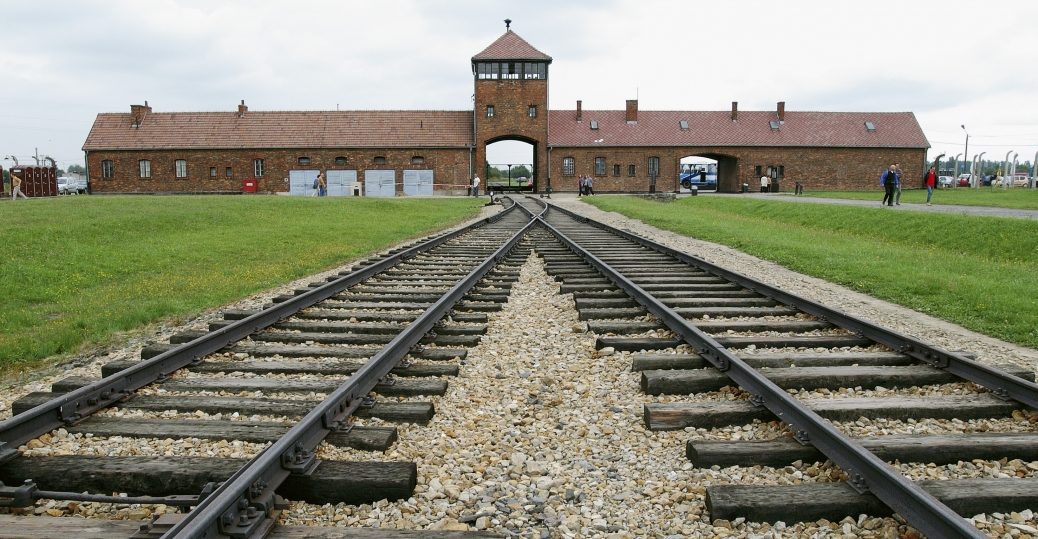
Birkenau is open ground and takes around 1 hour 15 minutes of walking, from the railway gatehouse along the unloading ramp to the far end of the site. Distances are long and exposed, so pace yourself.
The walk back from the far end of Birkenau to the shuttle stop adds 15–20 minutes on top of the guided portion. Build this into any onward travel plan.
To optimize your total tour length and minimize wait times, the best arrival window is 07:30–09:00. Arriving during this period allows you to navigate the site before the peak influx of tour buses from Krakow, which often creates significant bottlenecks by mid-morning.
—
Visiting during these hours ensures fluid movement between exhibits and avoids the mid-morning surges. This early start prevents unnecessary delays caused by high-volume visitor traffic.
Mild temperatures (15°C–22°C)
Expect heavy crowds that may increase wait times at security and popular sites. Planning an early arrival is essential to manage the length of your day.
Cooler temperatures (10°C–18°C)
Visitor numbers begin to stabilize, though morning hours remain the most efficient time to tour. Consistent flow helps maintain your planned itinerary length.
Verdict: The most effective way to control your tour length is by arriving between 07:30–09:00 on a Tuesday, Wednesday, or Thursday during the shoulder months of April or October.
The Auschwitz-Birkenau Memorial and Museum is located at ul. Więźniów Oświęcimia 55, 32-600 Oświęcim, Poland. Reaching the site requires careful planning, as transit time significantly impacts your total day commitment.
Kraków Główny to Oświęcim Station via regional line (REG)
Direct bus from Kraków MDA station to Muzeum Auschwitz stop
Driving via A4 motorway toward Oświęcim
Visitors arriving by car should use the designated museum parking lot near the entrance. If traveling by train or bus, account for the short walk or local shuttle transfer from Oświęcim station to the main gate.
Proper preparation ensures a smooth visit and prevents delays at security checkpoints or entry gates.
The Auschwitz-Birkenau Memorial and Museum is open daily throughout the week. Visitors should plan their tour length based on these consistent operating hours.
Everything you need to know about auschwitz tour length
Most visitors spend between three and four hours exploring the memorial grounds. This duration allows for a comprehensive walk through both the main camp and the Birkenau site.
While you may move at your own pace, the sheer scale of the historical site often dictates a longer stay than many guests anticipate. Dedicating a full half-day is recommended to honor the significance of the exhibitions.
Individual auschwitz tour length can vary depending on how much time you spend within the specific museum blocks or at the memorials. The extent of the grounds requires significant walking between various historical structures.
Educational groups often require a structured schedule, which may extend the standard auschwitz tour length to ensure all exhibits are viewed properly. Teachers should coordinate with site officials to manage group movement through the corridors.
It is wise to account for security procedures and travel to the site, which add time beyond the base auschwitz tour length. Arriving during the suggested window helps avoid delays that could impact your itinerary.
Visitors must adhere to the operating hours, meaning your total time is limited by the final entry and closing times. Plan your arrival early to ensure you have sufficient time for a respectful visit.
Auschwitz Tours from Krakow
Read more Tickets & toursAuschwitz Tour Tickets & Booking
Read more Tickets & toursAuschwitz Tours from Warsaw
Read more Tickets & toursAuschwitz Tour Packages
Read more GuideAuschwitz Tour Price and Cost
Read more GuideAuschwitz Tour Location and Logistics
Read more GuideVirtual Auschwitz Tours
Read more