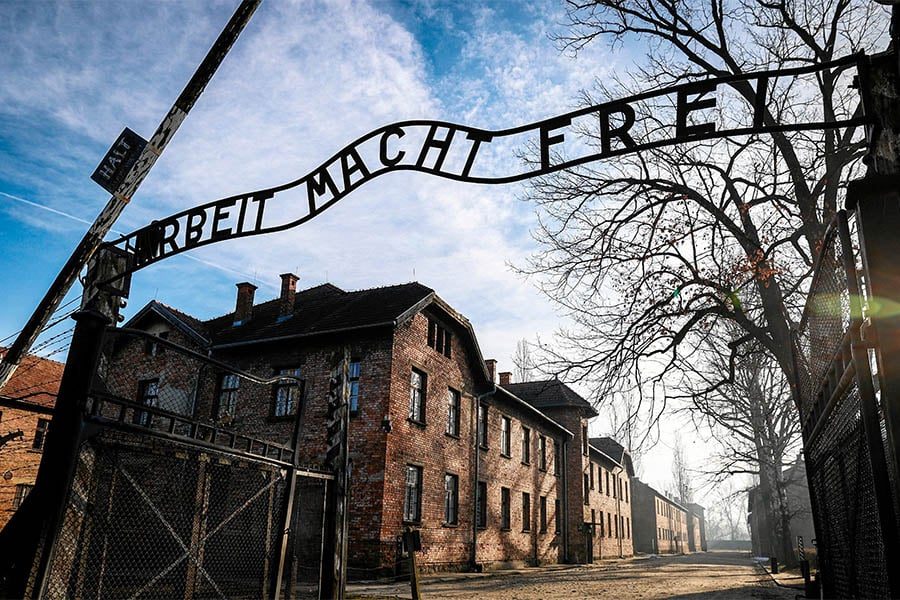
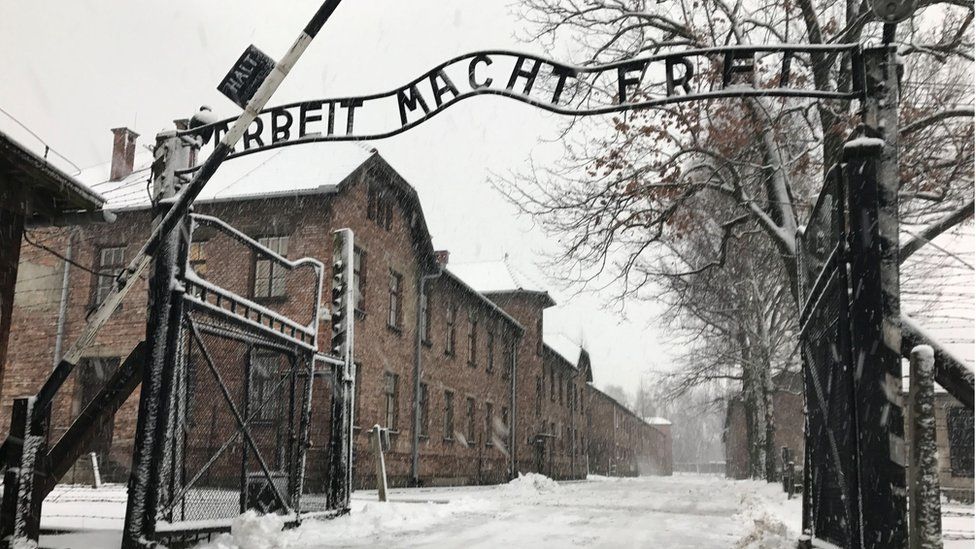
Arbeit Macht Frei Gate
The iconic entrance gate featuring the infamous wrought-iron slogan serves as the primary access point to the main camp.
View the ironwork details from a straight-on perspective.
The Auschwitz-Birkenau Memorial and Museum maintains an online panorama project that lets anyone walk the camp remotely, room by room, from a browser. It is free, open at any hour, and narrated in several languages. This page explains what a remote visit actually shows, where it stops short, and how it fits alongside a physical trip to Oświęcim.
Quick answer
Yes — an auschwitz tour virtual is available free of charge through the Memorial's official online panorama, viewable in a browser at any hour without a reservation. Entry to the physical site is also 0 PLN, though an online entry pass is mandatory there. The caveat: the panorama covers selected blocks and the Birkenau grounds, not every building open on site.
The Auschwitz-Birkenau Memorial covers roughly 191 hectares across two preserved sites, and no remote format has yet reproduced the scale of walking between them. That gap is the single most useful thing to understand before starting an auschwitz tour virtual from home. The Memorial's official panorama project stitches together high-resolution imagery of the Auschwitz I blocks, the Arbeit Macht Frei gate, the roll-call square, and the Birkenau rail spur with its selection ramp — the places most visitors recognise before they arrive. Narration and captions run in multiple languages, and the viewer runs on ordinary hardware, which is why schools, universities and remote study groups have leaned on it heavily since it launched. What the online version does well is context. A remote Auschwitz Birkenau tour removes the pressure of a timed group and lets a reader stop on a single photograph, a single prisoner registration card, a single name. The Block 11 cells, the surviving barracks interiors and the camp's perimeter wire reward that kind of slow attention. Teachers often pair the panoramas with survivor testimony and archival documents published by the Museum, building a lesson that no ninety-minute walk can match for depth. Researchers use it to locate a building before travelling. What it cannot do is substitute for the ground. The distance between Auschwitz I and Birkenau, the weather over the open fields, the length of the ramp, the silence — these are physical facts. Most visitors who have done both describe the online visit as preparation rather than replacement. That is the honest way to use it. So the practical sequence is simple. Use the panoramas first to learn the geography and the vocabulary, decide which exhibitions matter to you, then arrange a guided visit on site at ul. Więźniów Oświęcimia 55 in Oświęcim. Early slots suit the memorial best; arriving between 07:30 and 10:00 avoids the densest crowds and the midday heat in warmer months. Autumn and winter bring thinner visitor numbers and shorter queues at the checkpoint, though daylight fades early over the Birkenau fields. Confirm current arrangements with the Memorial directly on +48 33 844 8100 or at auschwitz.org, and treat an auschwitz tour virtual guide as the reading you do before the journey — not instead of it.
“The panoramas teach the geography; the ground teaches the distance.”
This plan suits anyone navigating the memorial through online panoramas and digital educational resources before, or instead of, an on-site visit, and it mirrors the route a guided walk follows. Allow roughly two to three hours to move through both parts of the site at a steady pace.
Open the panorama at the main camp entrance with the Arbeit Macht Frei gate and orient yourself to the grid of brick blocks beyond it. Ten minutes here makes the rest of the layout easier to read.
Follow the numbered blocks that hold the permanent exhibitions, ending at Block 11 and the courtyard with the Death Wall. Give this 40 to 50 minutes, since the block interiors carry most of the exhibition material.
Trace the perimeter past the camp kitchen, the roll-call square and the barbed-wire fence lines to see how compact Auschwitz I actually is. Fifteen minutes is enough to fix the scale in your head.
Visit the surviving gas chamber and crematorium just outside the main fence, the final stop of the Auschwitz I sequence. Keep to ten quiet minutes.
Digital resources present Birkenau, three kilometres away, as the second half of the route; on site this is a shuttle bus ride of roughly 10 to 15 minutes. Expect a short wait at the stop in busy months.
Begin Birkenau at the brick gatehouse above the railway track, then look along the unloading ramp. Twenty minutes, and note how different the open terrain feels from Auschwitz I.
Walk the track to the ruins of Crematoria II and III and the International Monument between them. Allow 30 minutes; this is the longest single stretch of walking on the route.
Close with the surviving wooden and brick barracks and the sauna building on the camp's edge. Fifteen to twenty minutes, and arriving on site within the 07:30–10:00 window keeps this last leg calm.
Virtual tours provide a structured examination of the Auschwitz-Birkenau site, focusing on key structural landmarks and residential areas. These digital models allow for a detailed observation of the camp's preserved infrastructure.
The iconic entrance gate featuring the infamous wrought-iron slogan serves as the primary access point to the main camp.
View the ironwork details from a straight-on perspective.
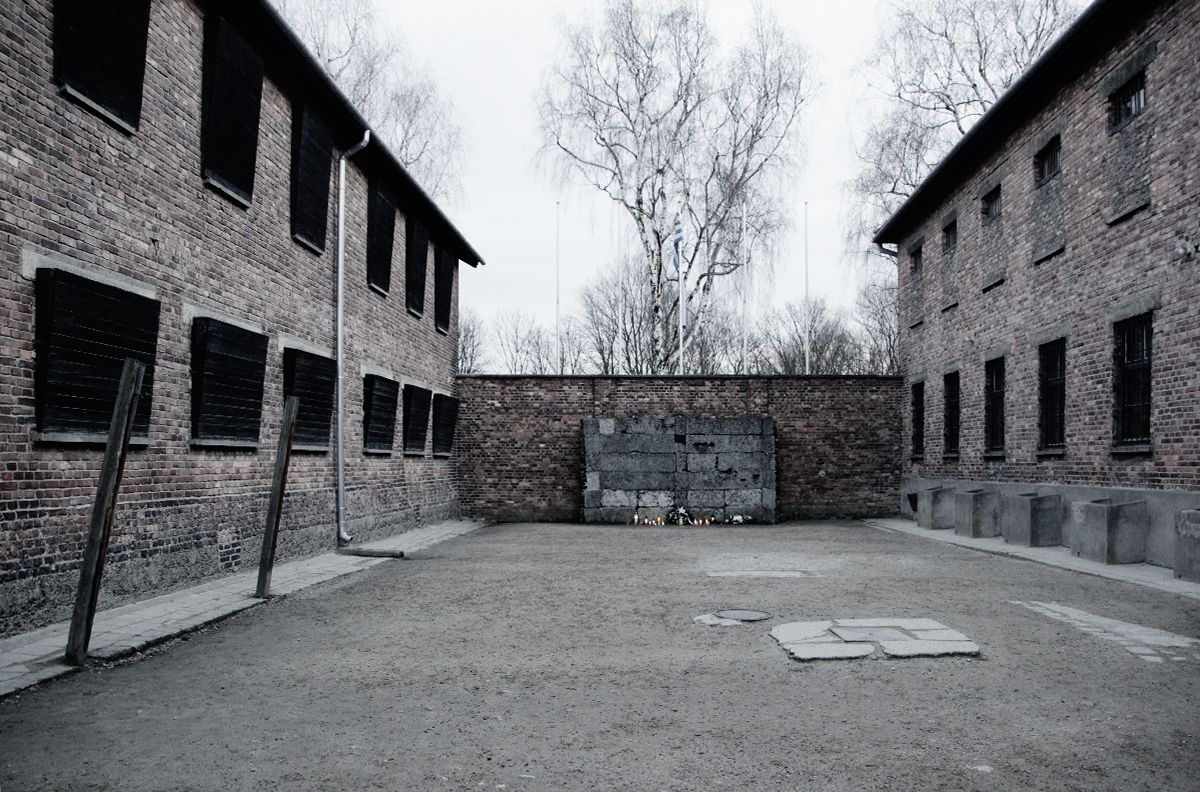
Known as the Death Block, this building housed the camp jail and served as a site for interrogation and punishment.
Examine the exterior courtyard and the Death Wall.
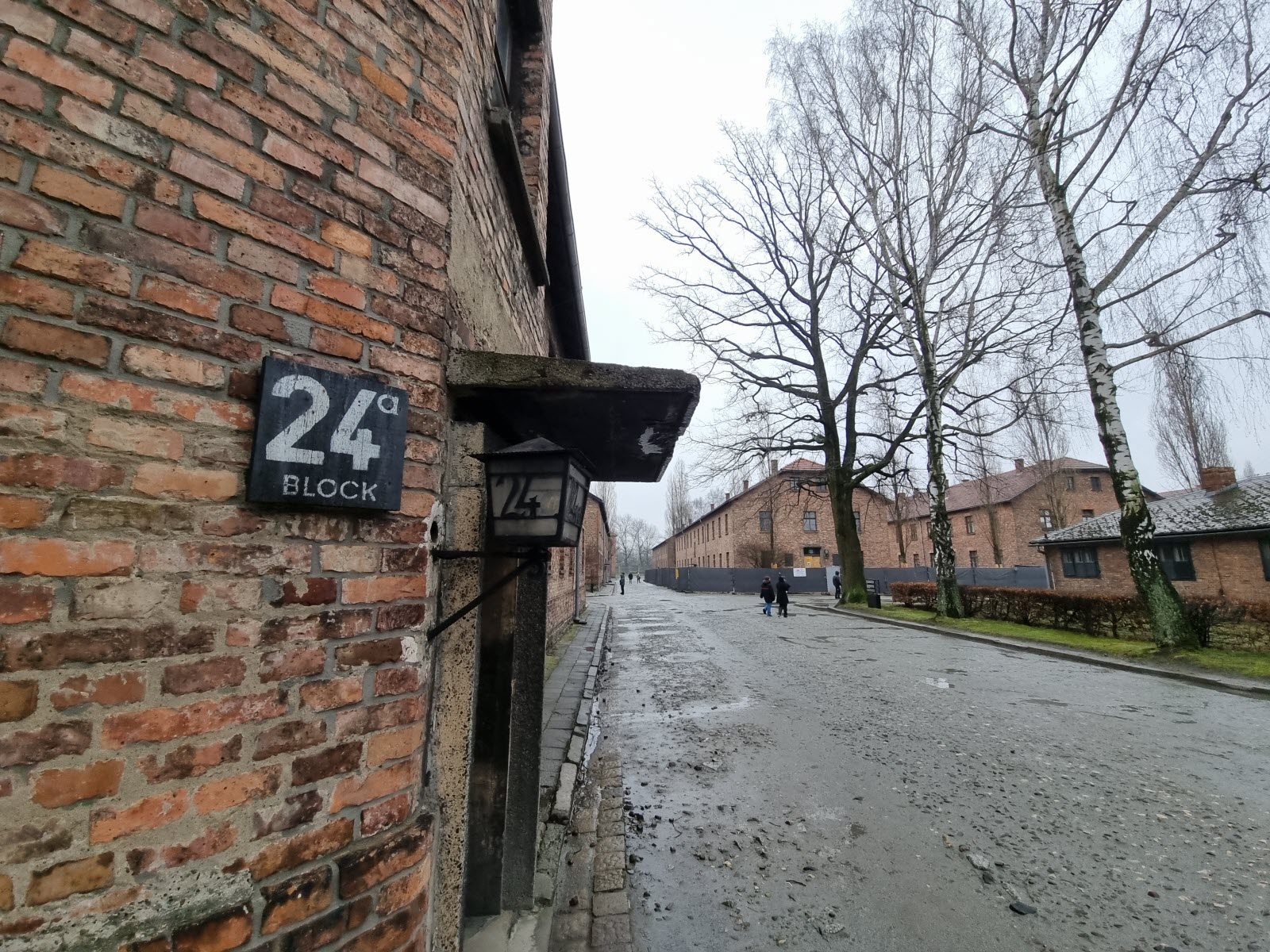
These red-brick structures in Auschwitz I currently house various exhibitions detailing the camp's operation and victim experiences.
Observe the repetitive architectural layout of the prisoner barracks.
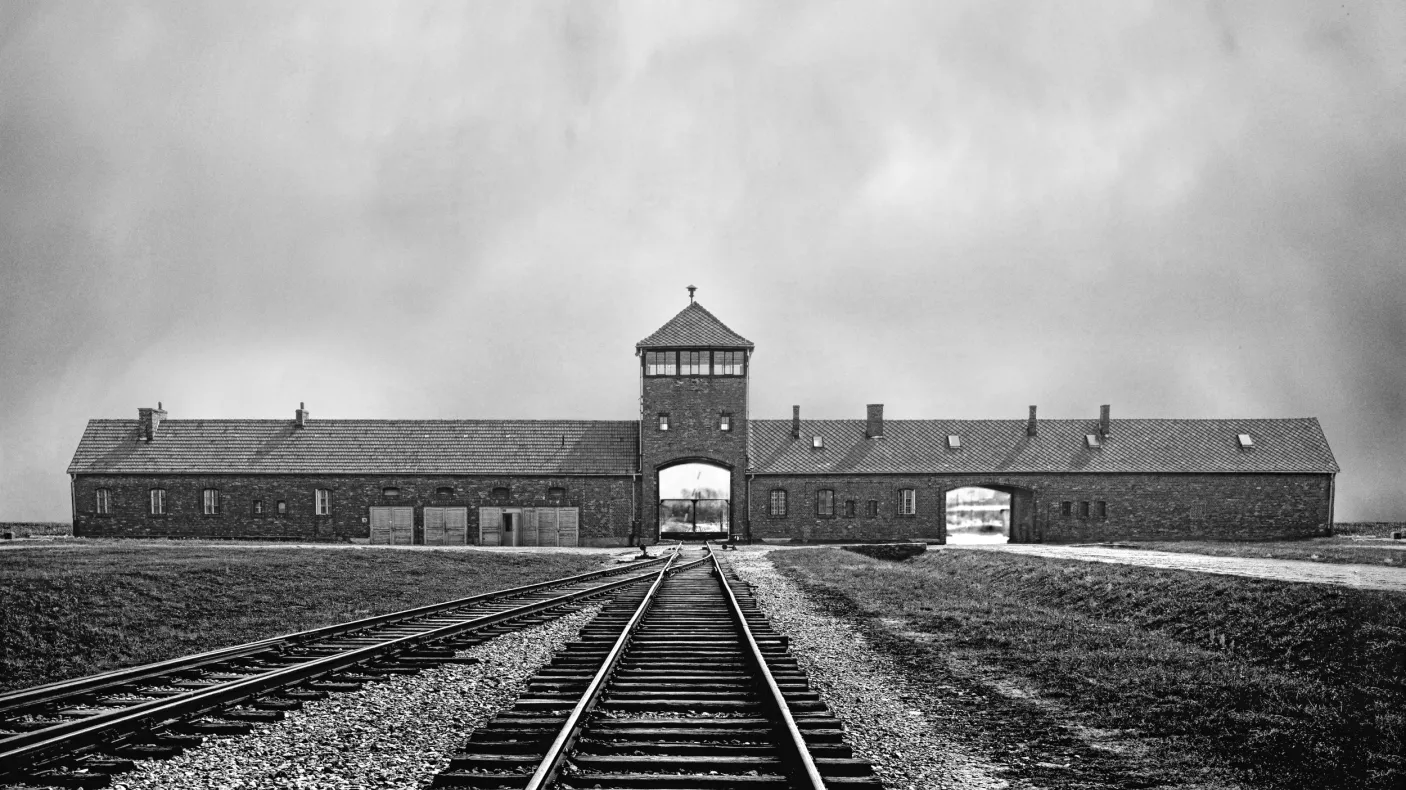
The massive gatehouse, often referred to as the Death Gate, spans the railway tracks leading into the Birkenau sector.
Focus on the central guard tower and tracks.
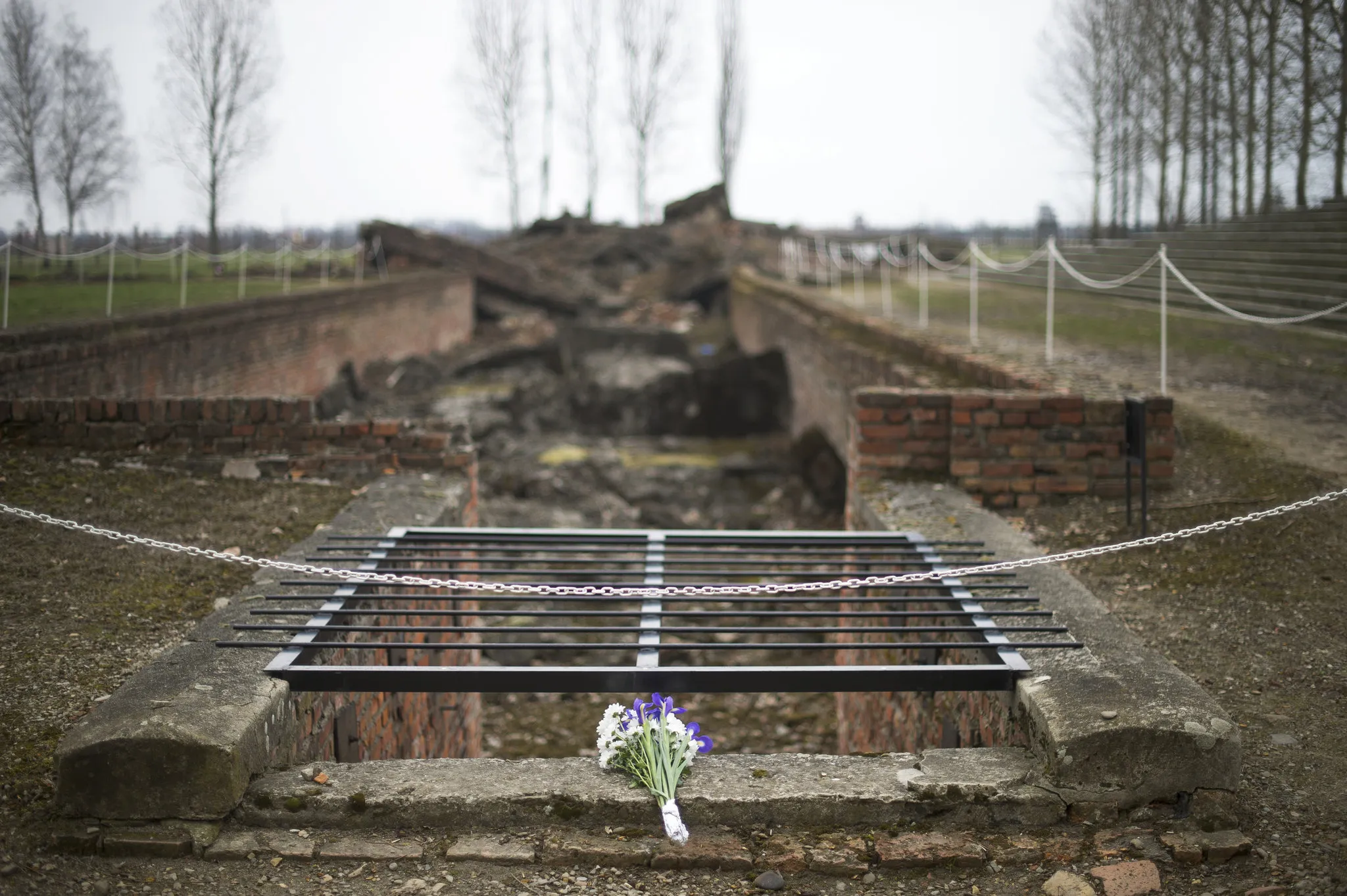
These represent the remains of the industrial mass-murder facilities destroyed by the SS during the camp's evacuation.
Look for the structural ruins near the site perimeter.
The Auschwitz-Birkenau Memorial and Museum is open to visitors daily throughout the year.
Admission to the Auschwitz-Birkenau Memorial and Museum is free of charge, though a mandatory online reservation is required for all visitors. Virtual access to educational materials and online tours is provided independently of physical site entry.
Verdict: A typical adult pays 0 PLN for admission, provided they secure the mandatory online entry reservation.
Technical preparation ensures smooth access to online educational resources about the camp.
Everything you need to know about auschwitz tour virtual
While there is no substitute for walking the grounds, you can explore the site through the official website's digital educational projects. An auschwitz tour virtual provides historical context and visual preparation for those unable to travel to Oświęcim immediately.
Accessing official digital archives and educational materials provided by the memorial is free of charge. You should avoid any third-party sites that claim to charge for an auschwitz tour virtual.
Viewing digital content allows you to understand the scale and history of the memorial site before your actual visit. This preparation helps you navigate the grounds more effectively during your in-person Auschwitz-Birkenau tour.
No, a digital experience serves only as an educational supplement rather than a replacement for physical attendance. A guided visit is recommended to fully grasp the significance of the UNESCO World Heritage site and its preserved artifacts.
After researching online, you should secure your mandatory entry pass via the official site to guarantee your visit. For the best experience, plan your arrival window between 07:30 and 10:00 to avoid peak crowds.
Yes, many museums and historical institutions in Poland offer digital exhibitions to supplement your travel itinerary. Exploring these resources can enhance your understanding of the region's complex history beyond the primary memorial.
Auschwitz Tours from Krakow
Read more Tickets & toursAuschwitz Tour Tickets & Booking
Read more Tickets & toursAuschwitz Tours from Warsaw
Read more Tickets & toursAuschwitz Tour Packages
Read more GuideAuschwitz Tour Price and Cost
Read more GuideAuschwitz Tour Location and Logistics
Read more GuideHow Long is an Auschwitz Tour?
Read more