7 hr
Auschwitz-Birkenau Guided Tour with Hotel Pickup from Krakow
Visit the memorial site of Auschwitz-Birkenau with expert guidance and round-trip transport included
Reserve
Where history demands witness, where silence speaks volumes
Hand-picked by our editors — only the best 12 experiences from 47 reviewed.
Verified partners for Auschwitz tours, free cancellation where available, and instant confirmation on every booking.
7 hr
Visit the memorial site of Auschwitz-Birkenau with expert guidance and round-trip transport included
Reserve
7 hr
Skip-the-line entry, round-trip transport, and a licensed guide for a respectful day at Auschwitz-Birkenau.
Reserve
7 hr
Full-day guided visit to Auschwitz I & Birkenau from Krakow, with skip-the-line entry and round-trip transport.
ReservePrices from verified partners. Availability updates in real time at checkout. Free cancellation policies apply where shown.
The landmarks, rooms, and views travelers on Auschwitz tours remember — all visible on a single visit.
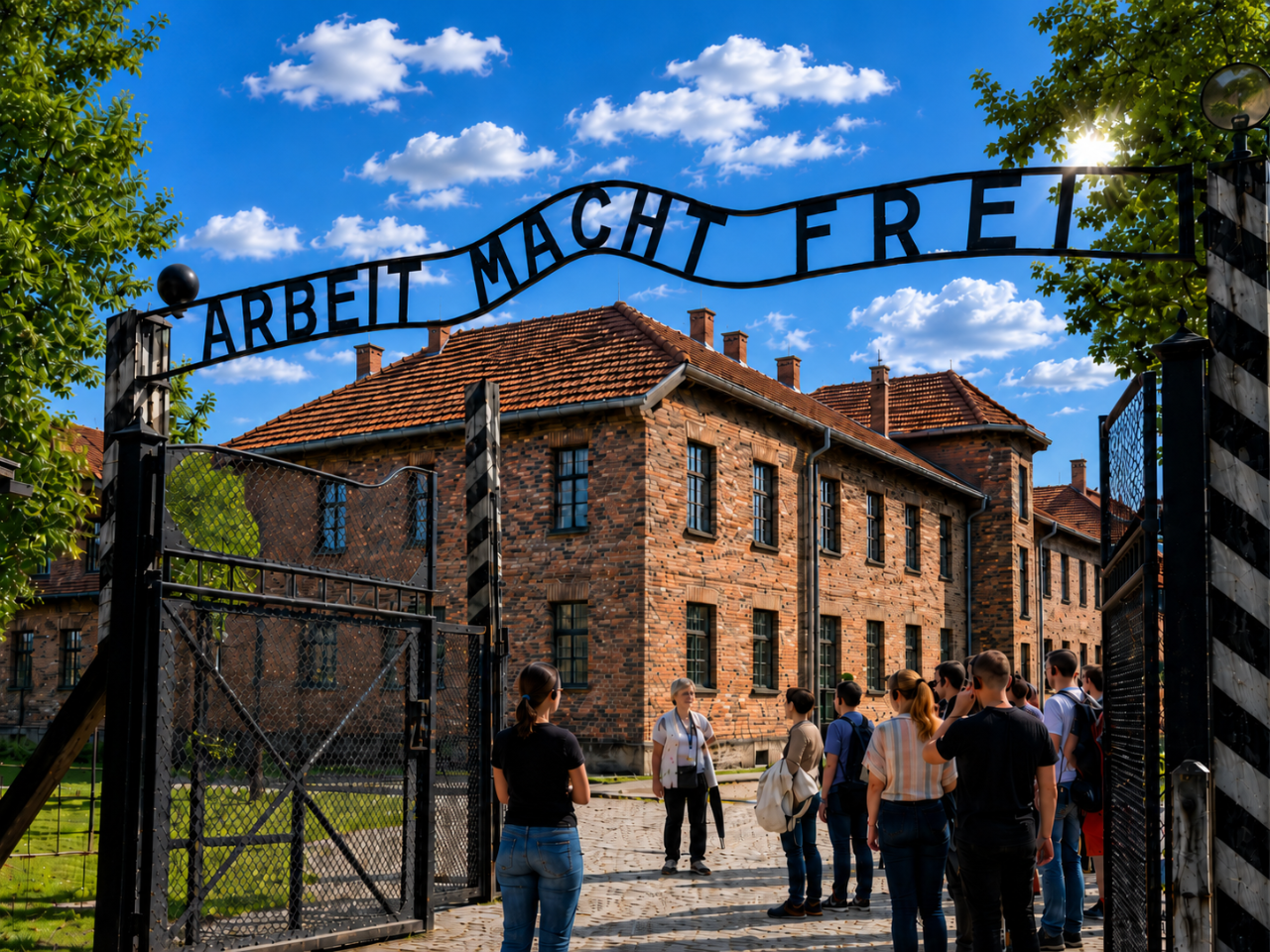
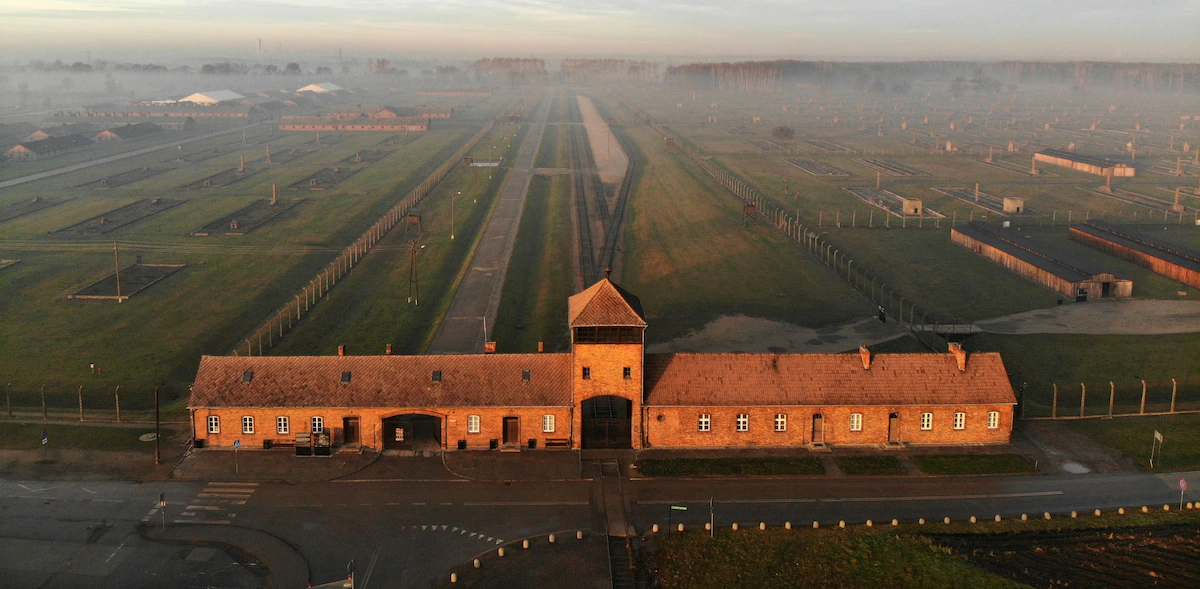
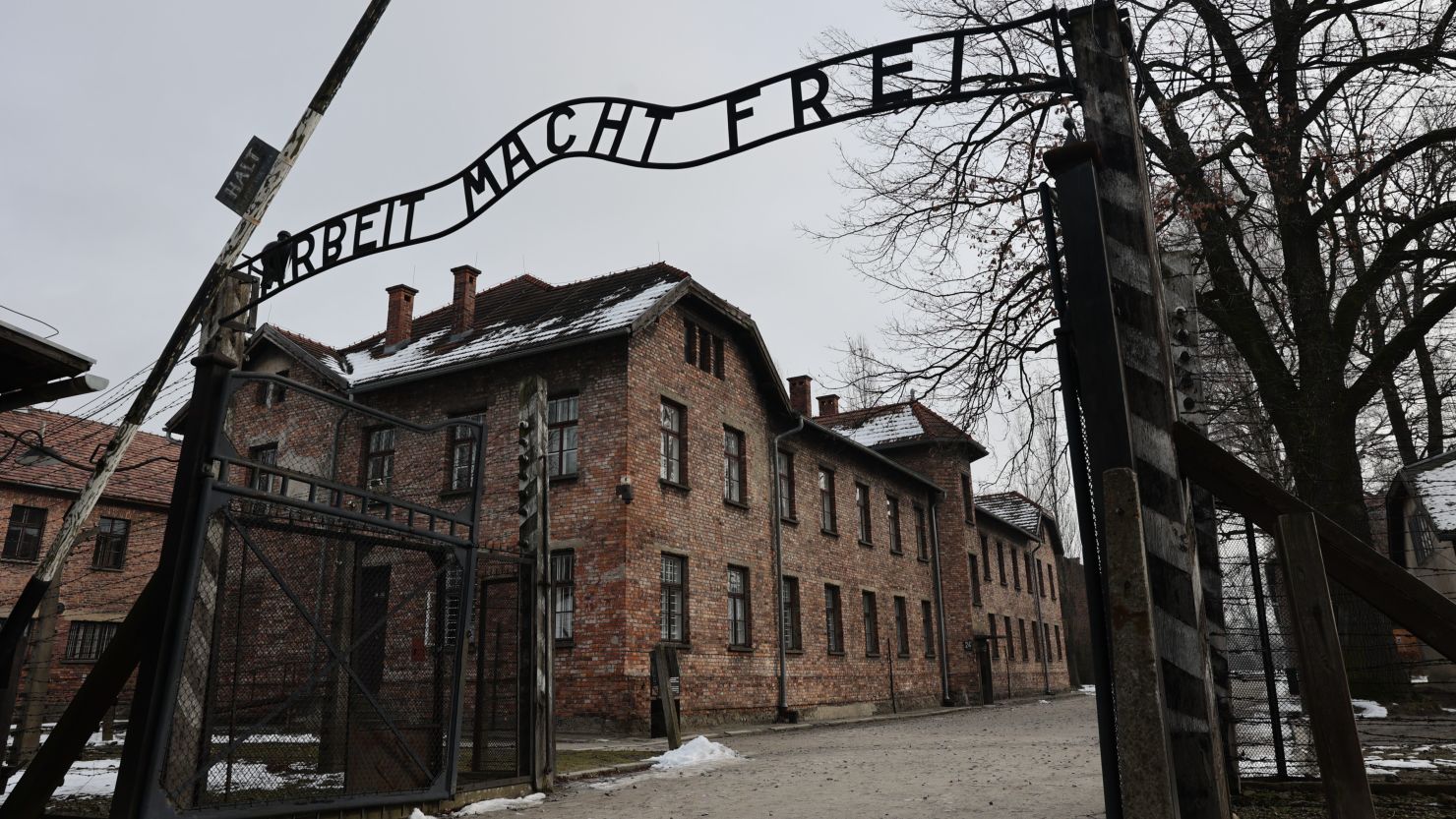
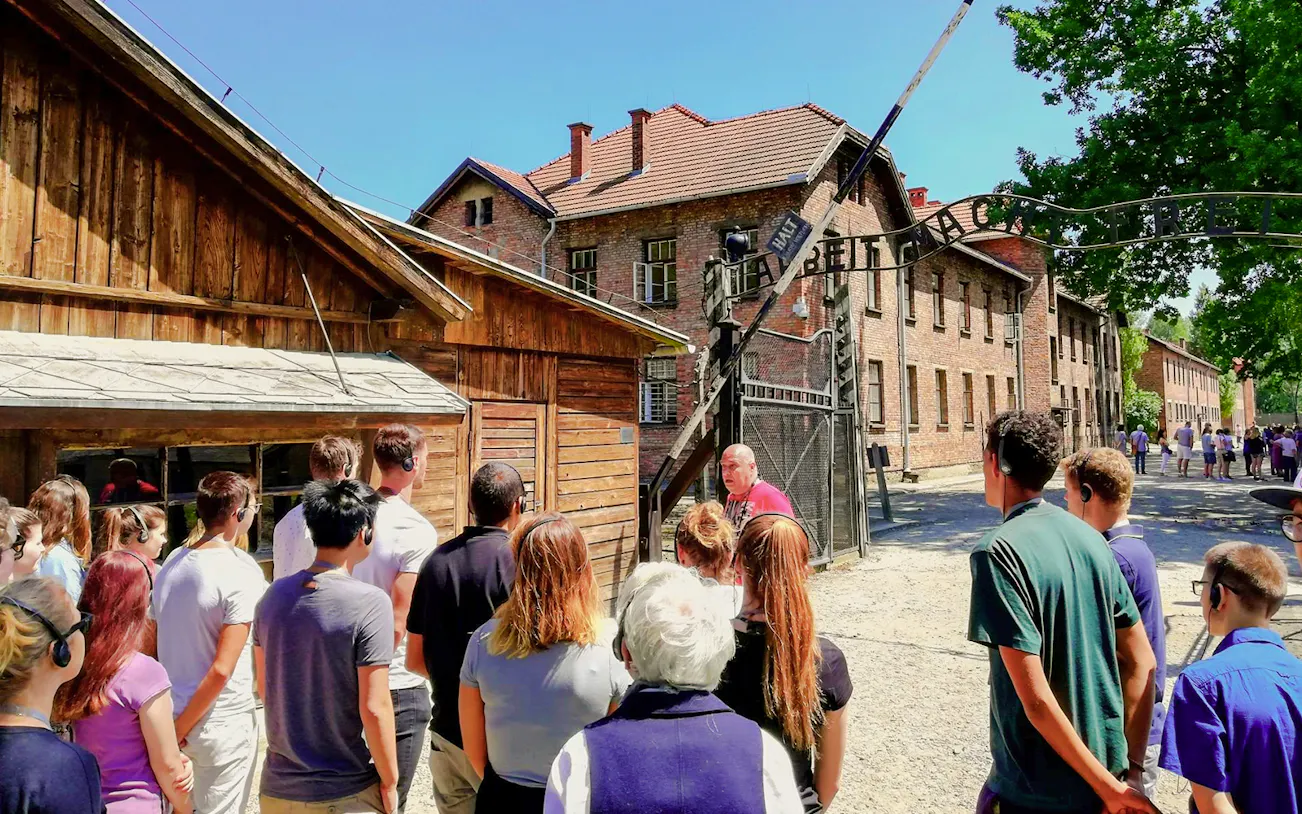
The iconic entrance gate marks the start of the Auschwitz I camp tour.
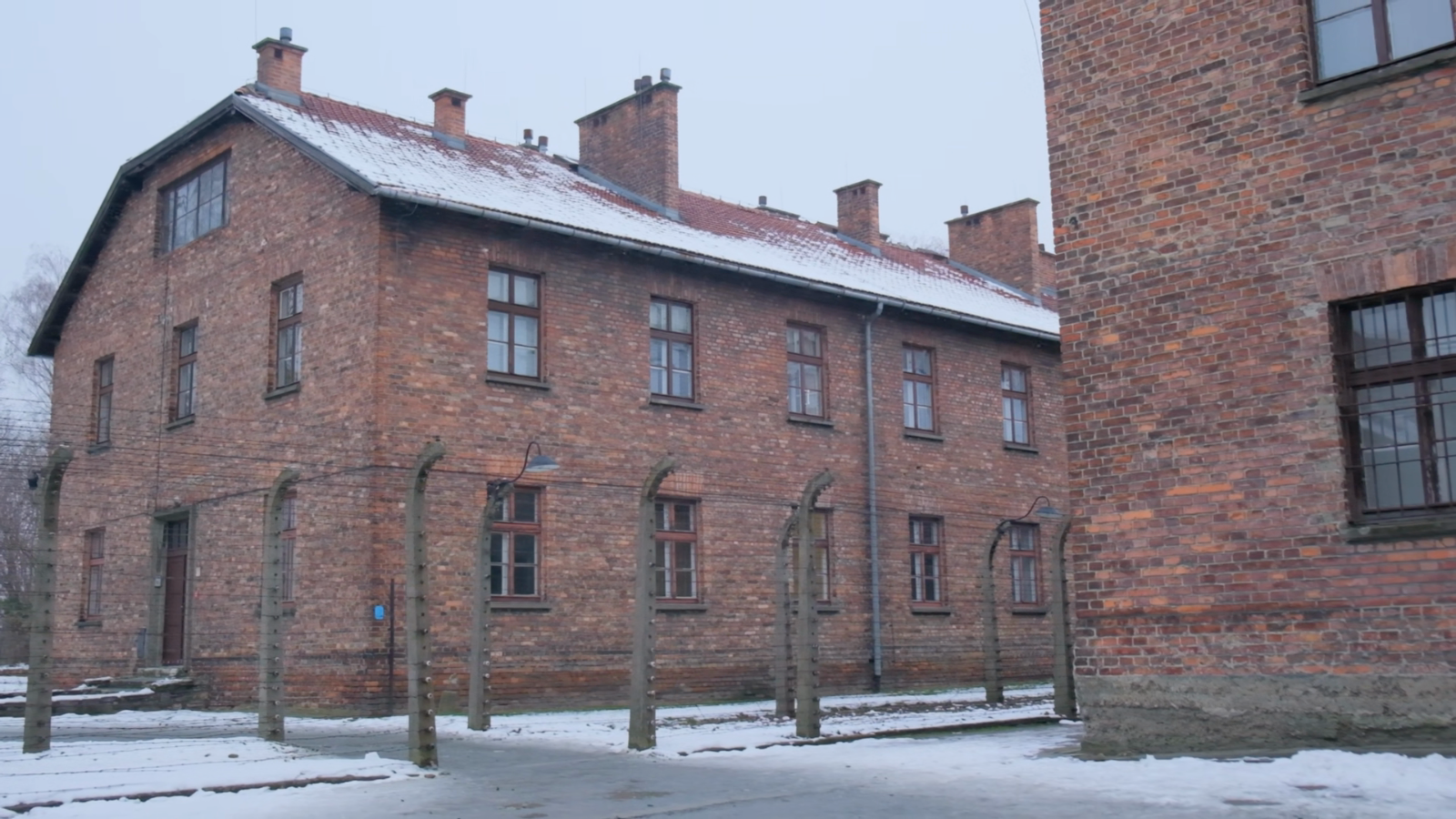
Known as the Death Block, this area housed the basement prisons.
Contains massive amounts of human hair found at the liberation.
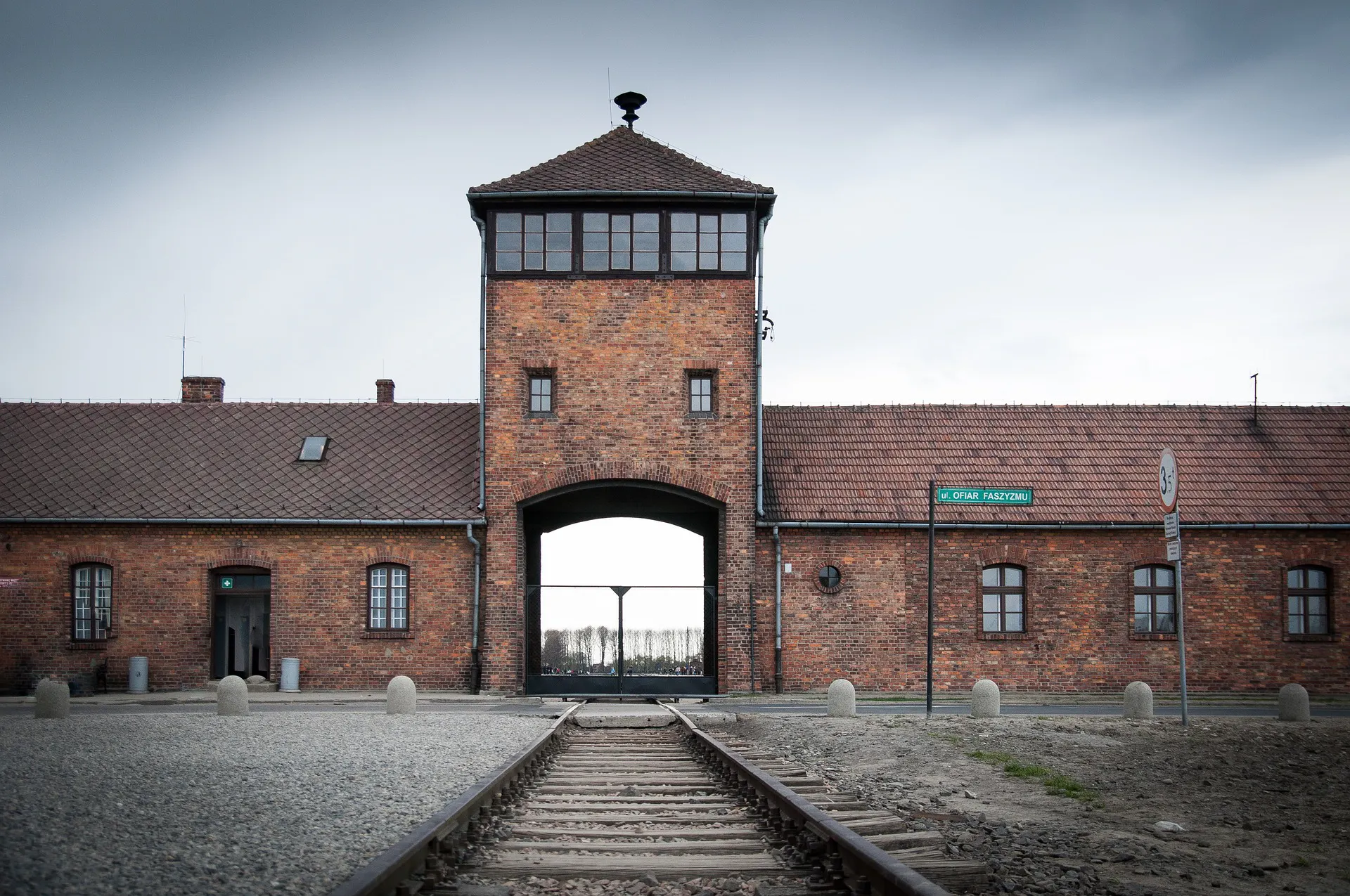
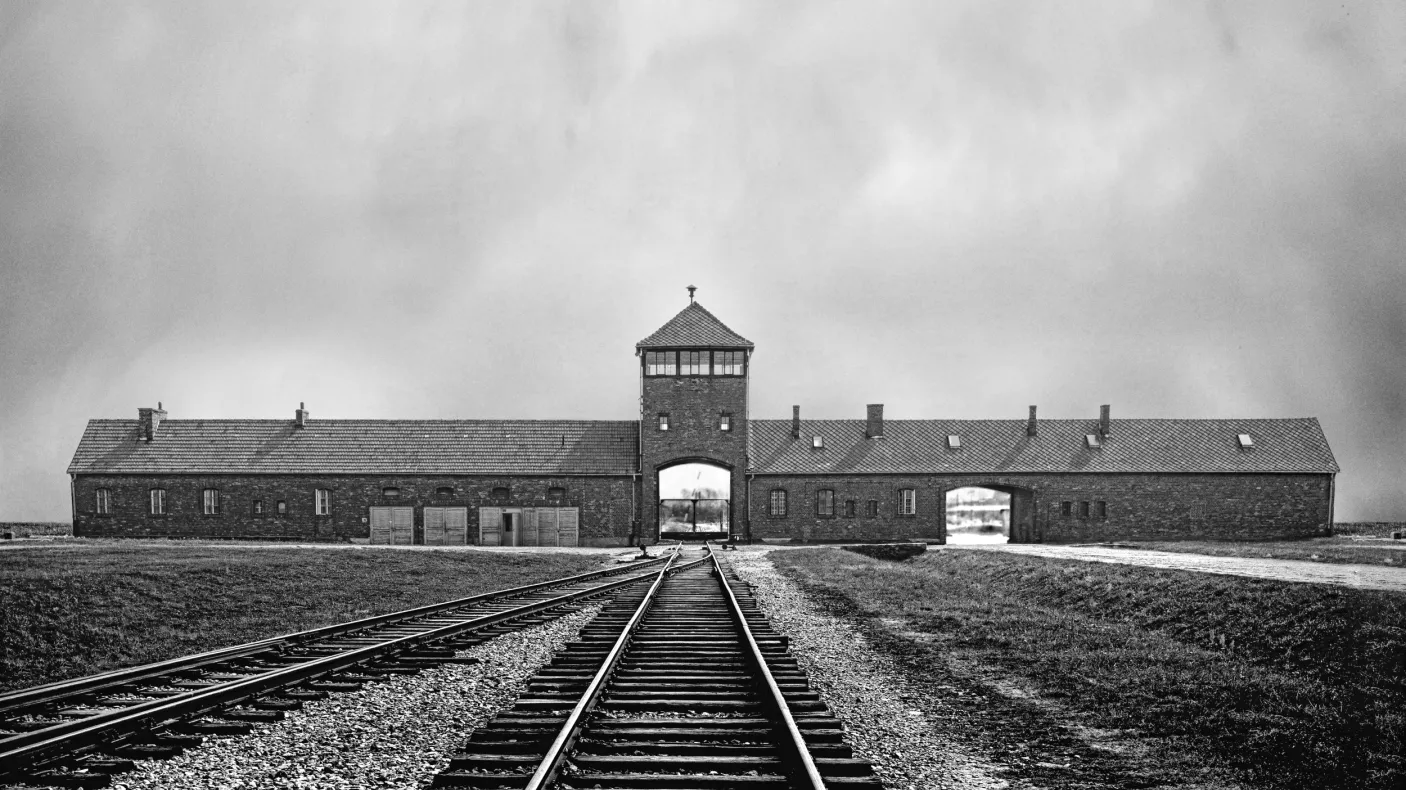
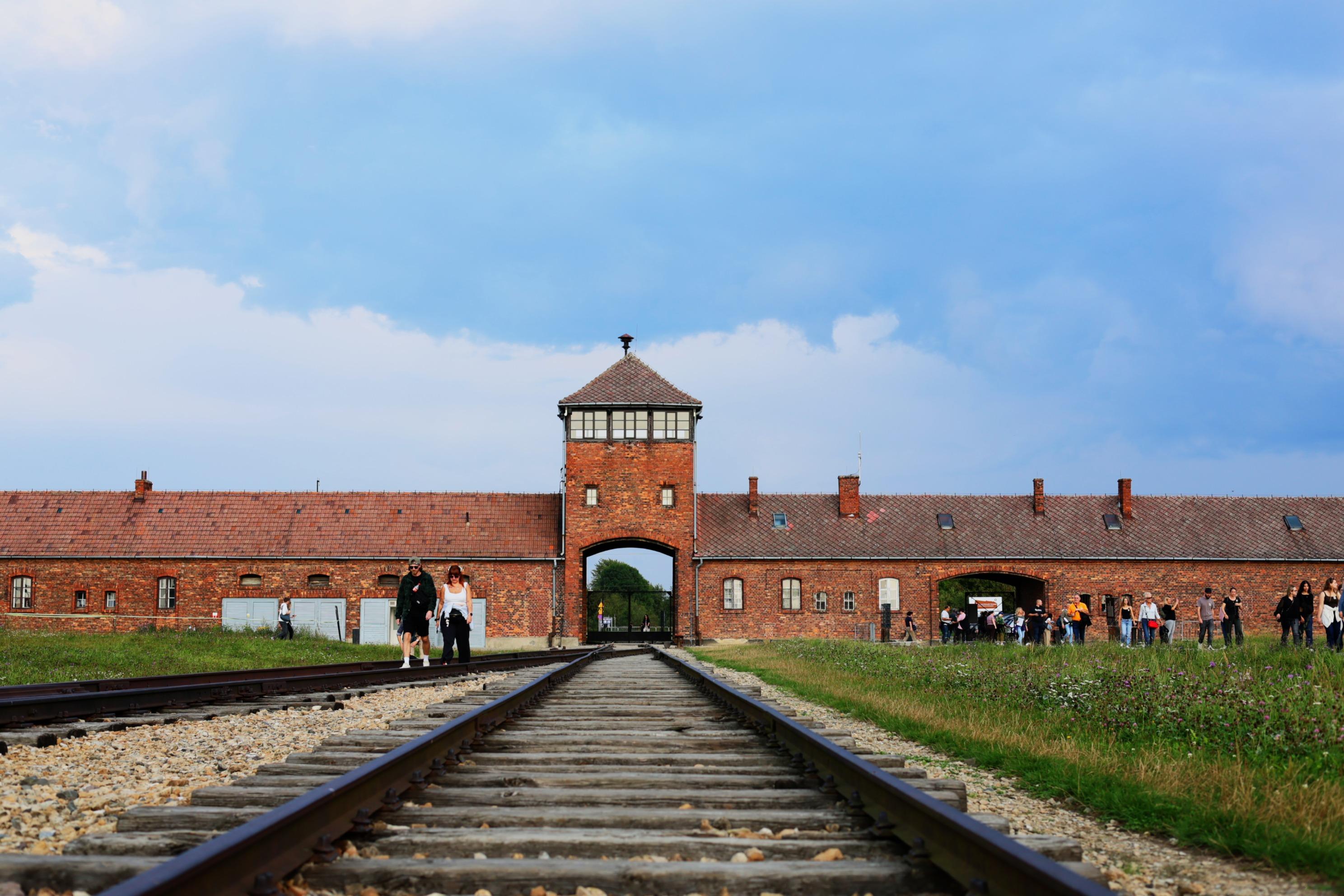
The infamous site where train transports arrived for selection.
Remains of the gas chambers destroyed by retreating Nazi forces.
Every Auschwitz tour side-by-side — duration, what's included, how you redeem.
| Experience | From | Duration | Rating | Transfers | Pickup | Skip-the-line | Price | |
|---|---|---|---|---|---|---|---|---|
|
Guided Experience Most popular
Auschwitz-Birkenau Guided Tour with Hotel Pickup from Krakow
|
Krakow | 7 hr | ★ 4.5 | ✓ | ✓ | ✓ | €17 | Book → |
|
Guided Experience
Auschwitz-Birkenau Guided Tour from Krakow with Pickup
|
Krakow | 7 hr | ★ 4.6 | ✓ | ✓ | ✓ | €17 | Book → |
|
Guided Experience
Auschwitz-Birkenau Guided Tour with Hotel Pickup from Krakow
|
Krakow | 7 hr | ★ 4.6 | ✓ | ✓ | ✓ | €17 | Book → |
All prices from verified partners. Availability and exact terms confirmed at checkout.
Choosing between independent exploration and a managed itinerary depends on your preference for logistics; most visitors find the guided path provides better context, while self-guided visitors prioritize personal reflection.
| Feature | Top pick Self-Guided | Guided Group |
|---|---|---|
Transportation logistics |
Independent travel required | Usually includes shuttle service |
Narrative depth |
Self-paced educational resources | Expert-led historical commentary |
Flexibility of pace |
Fully autonomous movement | Strict adherence to schedule |
Planning effort |
Advanced online reservations required | Handled by tour operator |
Social atmosphere |
Solitary and quiet | Shared group interaction |
Auschwitz tour tickets |
Reserved online in advance | Purchased via tour operator |
| See tickets → |
Verdict: Those seeking a deeper historical understanding often choose a guided tour, while those who prefer a contemplative pace find the independent Auschwitz tour tours better suited to their needs.
Choose your ticket, select your date, and reserve in under two minutes. Secure checkout handled by our verified partner.
Instant confirmation by email, with a mobile voucher you can save offline. No printing, no queuing at a collection desk.
Arrive at the entrance, show your voucher on your phone, and walk in. Most tickets include priority or skip-the-line access.
Practical details for Auschwitz tickets straight from our verified partners — hours, access, rules, and how to get there.
Więźniów Oświęcimia 55
Main visitor entrance for every Auschwitz tour
Open in Google MapsTrain from Kraków to Oświęcim station
Parking available at Więźniów Oświęcimia 55
Visitors must dress in a manner befitting a site of this nature. Modest, respectful attire is required throughout the Auschwitz tour.
Bags brought onto the museum grounds must not exceed 30x20x10 cm. Security screening is mandatory for all guests.
Non-commercial photography is permitted outdoors and in most exhibitions. Photography is strictly prohibited in the Victims' hair room and Block 11 basement.
The site contains uneven surfaces and historical structures with limited wheelchair access. Exercise caution while navigating the memorial grounds.
Keep mobile phones on silent mode during your visit. Limit calls and remain mindful of other visitors.
The museum recommends that children be at least 14 years old due to the sensitive nature of the exhibitions. All minors must be accompanied by an adult.
Consumption of food and drink is restricted within exhibition buildings. Please remain respectful of the solemn atmosphere.
Animals are not permitted on the museum grounds. Service animals should be cleared with administration in advance.
Personalized entry passes are mandatory for all visitors. The Auschwitz tour route includes significant walking between Auschwitz I and Birkenau.
Best time to go, insider tips, nearby landmarks, and the cancellation fine print — flip through to skim what matters to you.
How crowds, weather, and events shift across the year.
Mild weather and manageable crowd levels for a thoughtful Auschwitz tour.
Small details that turn a good visit into a great one.
Reserve your Auschwitz tour tickets weeks in advance.
Non-bookable sights within a short walk — free to visit, easy to pair.
Historical center focused on local Jewish heritage
Medieval castle overlooking the town
Flexible, no hidden fees.
Entrance passes are non-refundable once issued. Reservations for an Auschwitz tour must be managed online via the official portal.
Hand-picked options within walking distance — pick a district for vibe, or a specific hotel for convenience.
Standard amenities for visitors
Various guesthouses near the museum
The railway siding at Birkenau once received 400,000 Hungarian Jews in fifty-six days during the summer of 1944. Today that same platform, its wooden ramp preserved beneath protective shelters, receives 2.
5 million visitors annually who arrive to confront the machinery of the Holocaust in the place where it operated at industrial scale. Auschwitz I and Auschwitz II-Birkenau together comprise the most complete surviving Nazi concentration and extermination camp complex, inscribed as a UNESCO World Heritage Site in 1979 under criteria that recognize places of outstanding universal value to humanity's understanding of its own capacity for atrocity.
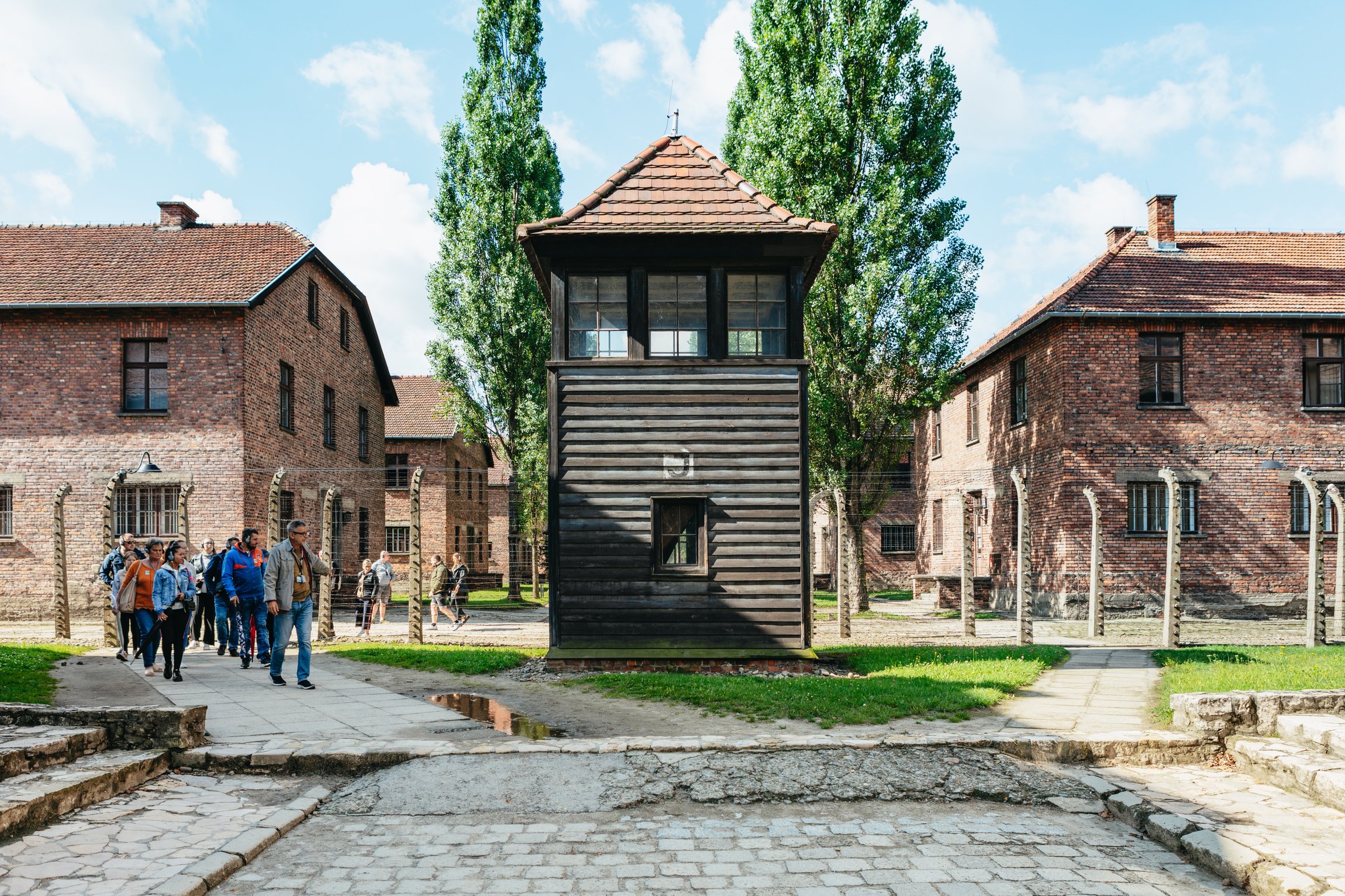
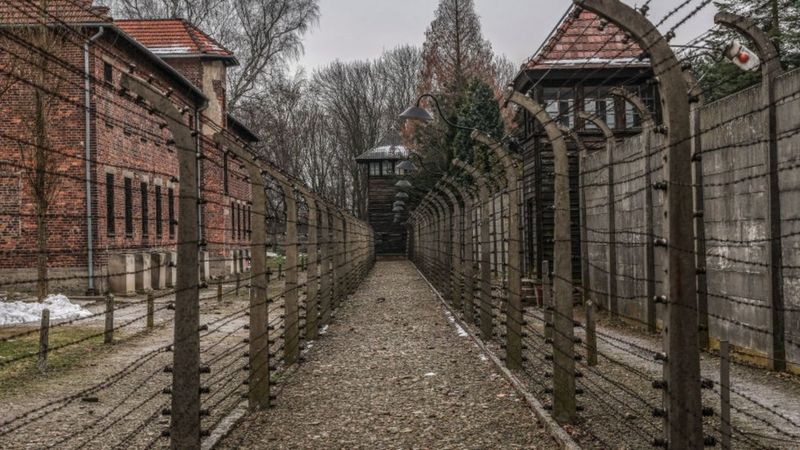
The main camp at Oświęcim, converted from pre-war Polish army barracks in 1940, retains its original perimeter walls, watchtowers, and twenty-eight two-story brick blocks where political prisoners, Soviet POWs, and Jewish deportees were housed in conditions designed to accelerate death through labor, starvation, and disease. Block 11, the camp prison, preserves standing cells measuring ninety centimeters square where four men at a time were forced to spend nights after full workdays. The gas chamber in Crematorium I, though smaller than those later built at Birkenau, remains intact with its Zyklon B introduction vents visible in the concrete ceiling. Visitors to Auschwitz tour sites walk the same gravel paths SS guards patrolled, pass beneath the iron Arbeit Macht Frei gate, and stand in the sorting room where arriving prisoners were stripped of names and belongings.
Birkenau, three kilometers west, was purpose-built for extermination beginning in October 1941. Its 175 hectares enclosed more than three hundred wooden barracks, four combined gas chamber and crematorium buildings, and the railway siding that delivered deportees directly to the selection ramp. Crematoria II and III could process 2,500 bodies in twenty-four hours; their ruins, dynamited by retreating SS in January 1945, now stand as jagged concrete shells among birch groves. The preservation work here extends beyond physical structures to the recovered personal effects displayed in Auschwitz I: two tons of human hair, 110,000 shoes, thousands of eyeglasses and prosthetic limbs. These objects, more than statistics, render individual lives visible.
The memorial operates under the 1947 Polish law establishing it as a site of martyrdom for the Polish nation and all peoples. Its archives hold 205,000 photographs, fifty-five kilometers of documents, and testimony from 9,000 survivors. Educational programs reach 300,000 students per year, while conservation teams work continuously against the deterioration of wooden barracks and brick structures exposed to Silesian winters.
"The railway siding at Birkenau once received 400,000 Hungarian Jews in fifty-six days during the summer of 1944."
A step-by-step walkthrough of Auschwitz tickets — what you'll see, how long each stage takes, and the details that matter.
You arrive at the visitor center at Więźniów Oświęcimia 55 in Oświęcim before 09:00, when October light slants low across the car park and the morning air still carries a chill. Inside, you collect your reserved entry pass and join a small group forming near the security checkpoint.
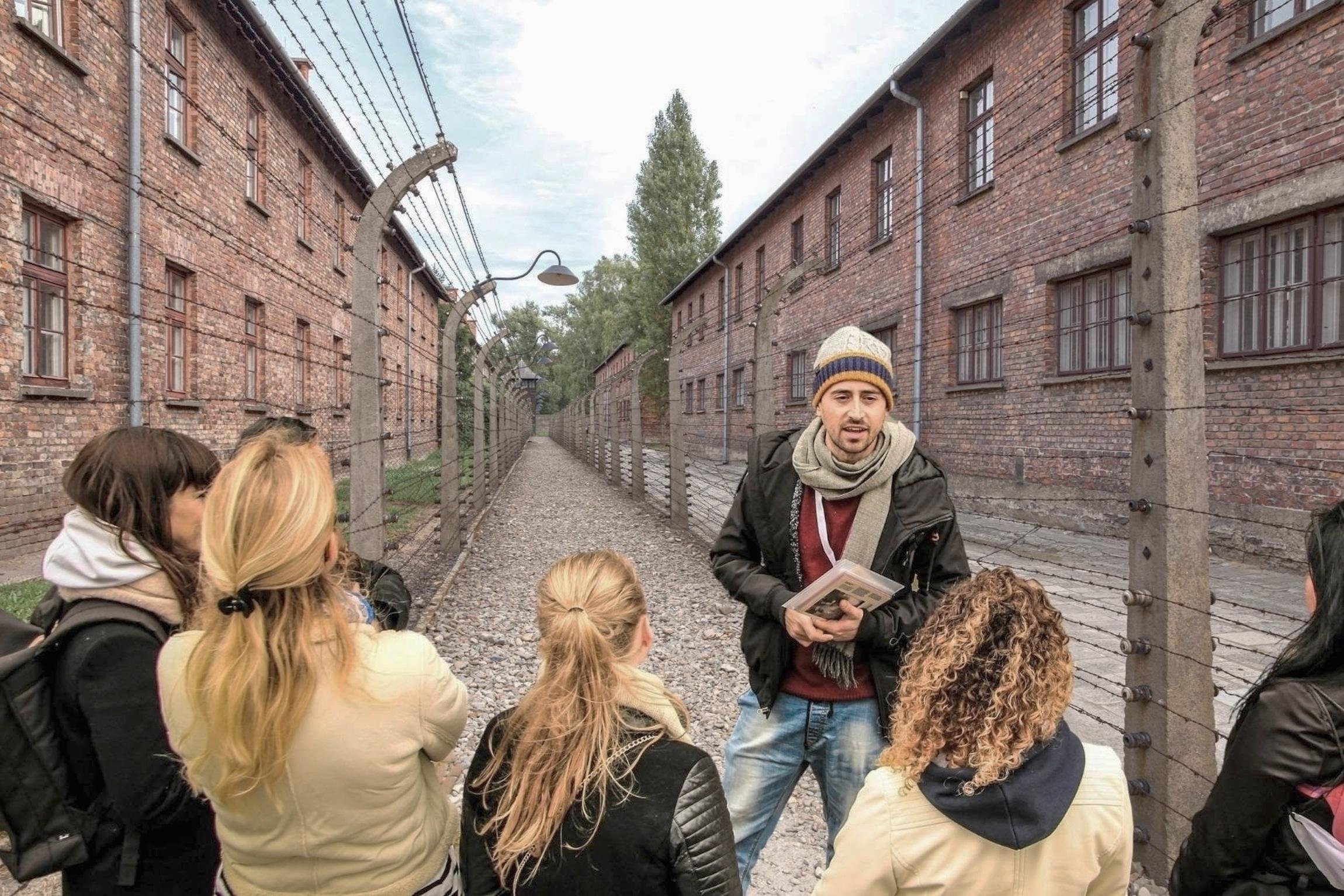
Your guide leads you through the iron gate beneath Arbeit Macht Frei, deliberately mistranslated to mock the prisoners who passed under it. You walk gravel paths between brick blocks, pausing at Block 4 where mountains of human hair fill glass cases behind protective barriers.
In Block 11 you descend to the basement cells, where the temperature drops and your breath mists in the dim corridors. The standing cells are smaller than you imagined. Your guide recounts the names of prisoners held here, dates of their arrival, causes of death recorded in camp ledgers. You emerge into daylight and walk to Crematorium I, where the gas chamber's concrete ceiling shows circular stains around the Zyklon B insertion points.
A shuttle bus carries you to Birkenau. You walk the length of the railway platform, past cattle car replicas, toward the Guard Tower framing the camp's full expanse. The ruins of Crematorium II lie two hundred meters ahead across flat ground. You approach the collapsed roof, peer into the underground chamber where victims undressed before being driven into the gas chamber. The scale defeats comprehension. Around you, birch trees grow between barracks foundations, and the only sound is wind.
The site is open from 07:30–14:00 daily.
Entrance is 0 PLN, but you must reserve an entry pass online.
Book exclusively via the official site for any Auschwitz tour.
Dress modestly and respectfully for a memorial.
Photography is allowed except in Block 11 and the hair room.
Bags must be 30x20x10 cm or smaller for an Auschwitz tour.
A standard guided Auschwitz tour lasts 3.5 hours.
The museum suggests a minimum age of 14 for an Auschwitz tour.
Tickets are personalized and generally non-refundable.