Auschwitz-Birkenau Memorial Tour with Krakow Hotel Pickup
Guided day trip from Krakow to the Auschwitz-Birkenau Memorial, with hotel pickup included.
Reserve
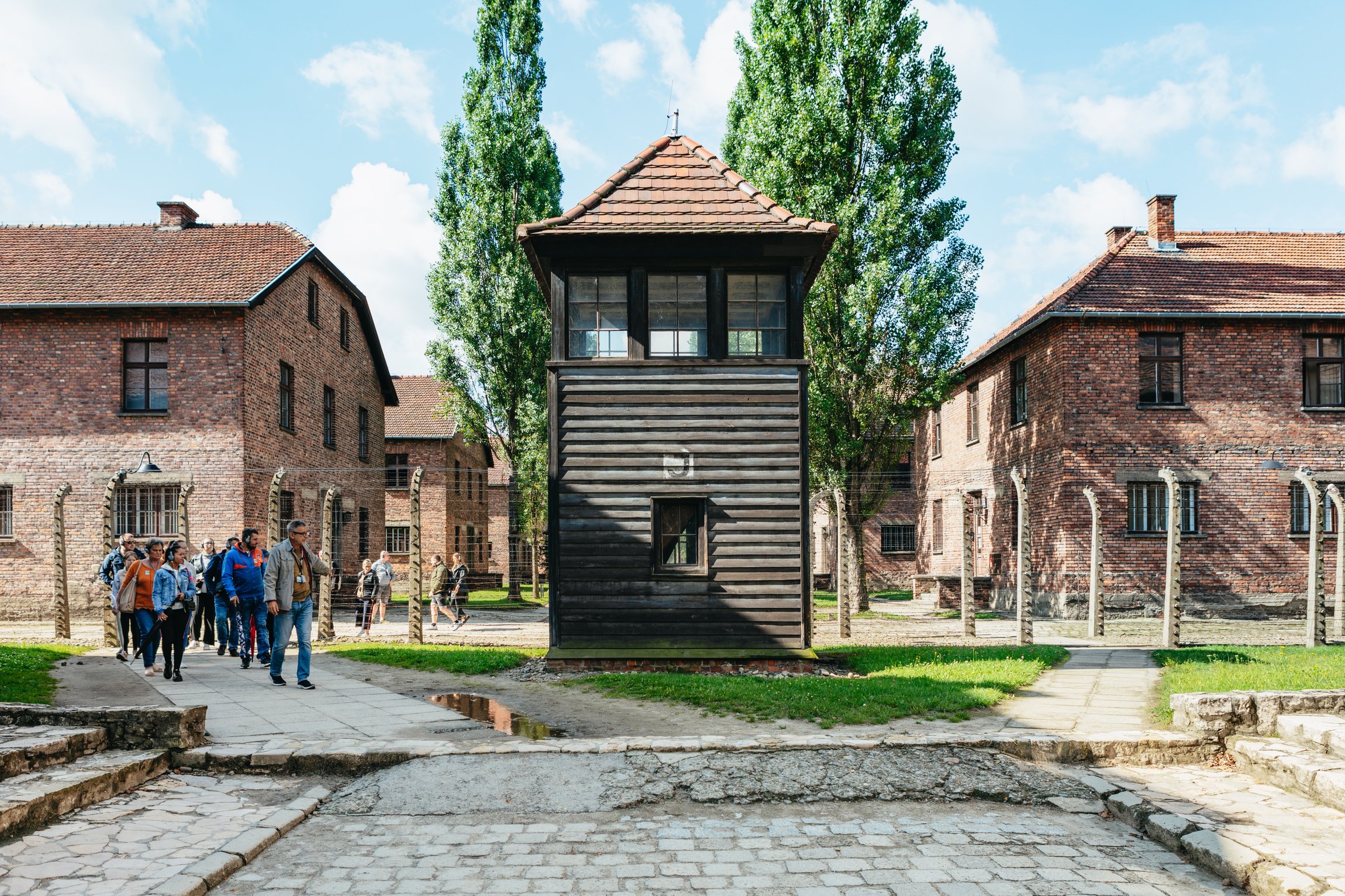
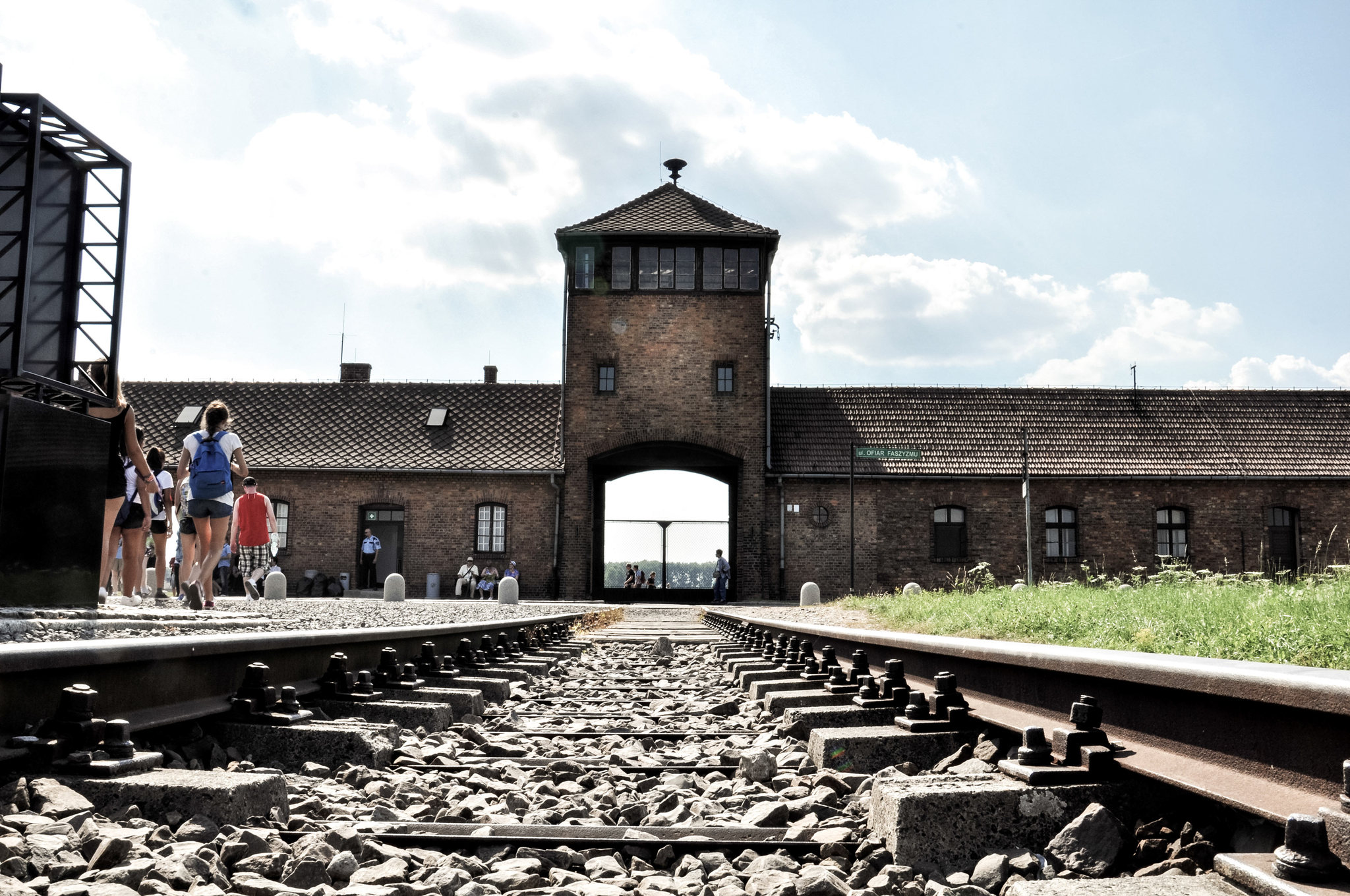
Guided reflection at the UNESCO site, expert historians included
Hand-picked by our editors — only the best 5 experiences from 47 reviewed.
Verified partners for every tour, free cancellation where available, and instant confirmation on every booking.
Guided day trip from Krakow to the Auschwitz-Birkenau Memorial, with hotel pickup included.
Reserve
Full-day guided visit to Auschwitz-Birkenau with transport, skip-the-line tickets, and expert guide
Reserve
7 hr
Full-day skip-the-line trip from Krakow with an expert guide through Auschwitz I and Birkenau.
ReservePrices from verified partners. Availability updates in real time at checkout. Free cancellation policies apply where shown.
The landmarks, rooms, and views travelers on this tour remember — all visible on a single visit.
Known as the Death Block, this building housed the camp jail where many prisoners faced severe punishment.
These sites represent the scale of the industrial mass murder at the camp.
This large memorial commemorates the victims of the Holocaust at Birkenau.
The infamous wrought iron gate at the entrance to Auschwitz I.
This is the only remaining gas chamber structure within the original Auschwitz I camp.
These sites serve distinct roles, as Auschwitz-Birkenau offers a solemn, reflective experience, while the Wieliczka Salt Mine provides an exploration of subterranean industrial heritage and artistry. They complement each other; most visitors who do both call the memorial site more mentally demanding and the salt mine the more physical excursion.
| Feature | Top pick Auschwitz-Birkenau | Wieliczka Salt Mine |
|---|---|---|
Primary Purpose |
Historical memorial and education | |
Emotional Impact |
High, somber atmosphere | |
Time Commitment |
3.5–7 hours | |
Physical Activity Level |
Moderate walking on uneven terrain | |
Tour Format |
Guided educational route | |
Accessibility |
Restricted areas with limited access | |
| See tickets → |
Verdict: Choose auschwitz tour packages tours if your goal is historical contemplation, or select the salt mine for an active visit through underground chambers requiring skip-the-line auschwitz tour packages tickets to manage your schedule effectively, though many travelers secure auschwitz tour packages tour arrangements to cover both regional landmarks in a single trip.
Choose your ticket, select your date, and reserve in under two minutes. Secure checkout handled by our verified partner.
Instant confirmation by email, with a mobile voucher you can save offline. No printing, no queuing at a collection desk.
Arrive at the entrance, show your voucher on your phone, and walk in. Most tickets include priority or skip-the-line access.
Practical details for your visit straight from our verified partners — hours, access, rules, and how to get there.
Więźniów Oświęcimia 55
Main entrance for auschwitz tour packages
Regional trains run from Krakow Główny to Oświęcim station.
Parking is available on-site at Więźniów Oświęcimia 55.
Visitors are expected to dress modestly out of respect for the victims of Auschwitz-Birkenau. Avoid clothing with offensive slogans or revealing cuts.
Large bags exceeding 30x20x10 cm are not permitted inside the museum grounds. Security checks are mandatory for all visitors entering via auschwitz tour packages.
Photography for private, non-commercial use is permitted throughout most of the Auschwitz-Birkenau grounds. Flash photography and the use of tripods are strictly prohibited in indoor exhibition spaces.
The Auschwitz-Birkenau site is largely flat, though some paths feature original gravel or uneven terrain. Wheelchair access is available, and specialized auschwitz tour packages can often accommodate mobility aids.
Mobile phones must be set to silent mode during your visit. Using them for calls inside indoor exhibits is discouraged.
The museum is not recommended for children under 14 years of age. Parents should prepare for the mature and sensitive nature of these Krakow landmarks.
Eating and drinking are not allowed inside the exhibition barracks. Visitors on auschwitz tour packages should consume refreshments outside the designated memorial areas.
Animals are not permitted on the museum premises, with the exception of certified guide dogs for visitors with disabilities.
As of 2026, all visitors must reserve entry online in advance. Official guided auschwitz tour packages ensure access to restricted areas.
Best time to go, insider tips, nearby landmarks, and the cancellation fine print — flip through to skim what matters to you.
How crowds, weather, and events shift across the year.
Mild temperatures make walking easier in April and May.
High season with maximum visitors; expect heat and crowds.
Comfortable weather in September and October, ideal for walking.
Cold temperatures require warm clothing; site remains open.
Small details that turn a good visit into a great one.
Secure your auschwitz tour packages tickets at least 2-3 months in advance as they sell out quickly.
Wear comfortable, flat walking shoes as you will be on your feet for several hours.
Visit during the shoulder months of April or October to experience fewer crowds.
Combine your Auschwitz-Birkenau visit with a day in Krakow for a full historical perspective.
Non-bookable sights within a short walk — free to visit, easy to pair.
Focuses on the history of the local community.
Historical site overlooking the Sola River.
Flexible, no hidden fees.
Entry tickets and guided auschwitz tour packages are non-refundable once issued. Changes to reservation dates may be restricted by museum policy.
Hand-picked options within walking distance — pick a district for vibe, or a specific hotel for convenience.
Modern hotel located near the memorial area.
Various guesthouses in Oświęcim town center.
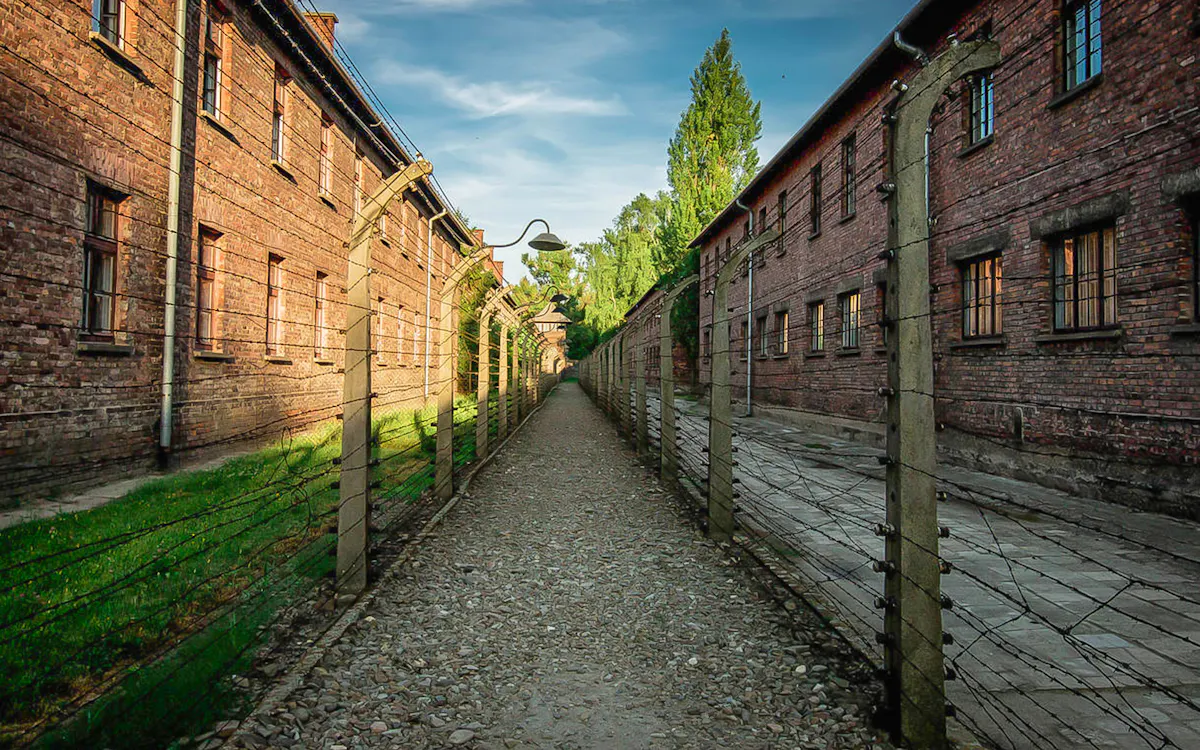
Between 1940 and 1945, over 1.1 million people perished within the barbed-wire perimeters of Auschwitz I and Auschwitz II-Birkenau, making this former Nazi concentration and extermination camp the largest cemetery without graves in human history. Designated a UNESCO World Heritage Site in 1979, the Auschwitz-Birkenau State Museum preserves 155 hectares of original camp buildings, railway infrastructure, and personal artifacts as evidence of systematic genocide and a warning to future generations. The site receives more than two million visitors annually, drawn by the moral imperative to witness where industrial-scale atrocity unfolded. Auschwitz tour packages typically depart from Krakow, bridging the 65-kilometer distance with historian-led context that begins before arrival. The original camp, Auschwitz I, retains the cynical wrought-iron gate inscribed Arbeit Macht Frei, along with preserved barracks, execution walls, and the underground cells of Block 11. Auschwitz II-Birkenau, three kilometers northwest, sprawls across former Polish farmland: 300 structures once held 90,000 prisoners simultaneously, and the railway spur that delivered deportees from across occupied Europe terminates beneath the guard tower that has become the site's most recognized silhouette. Walking the remaining wooden barracks and ruins of the gas chamber-crematorium complexes confronts visitors with the scale of Nazi logistics. The museum's curatorial mission balances preservation with education. Exhibitions in former prison blocks display suitcases, eyeglasses, children's shoes, and two tons of human hair—material proof of the Final Solution. National pavilions maintained by countries whose citizens were murdered here add historical layers: the Polish, Dutch, Hungarian, and French exhibits document deportation routes and resistance efforts. Guided visits ensure accurate historical framing, countering Holocaust denial and providing the context necessary to comprehend what occurred within these fences. October weather in southern Poland brings crisp air and thinning crowds, allowing for contemplative movement through the grounds.
"The site receives more than two million visitors annually, drawn by the moral imperative to witness where industrial-scale atrocity unfolded."
A step-by-step walkthrough of the visit — what you'll see, how long each stage takes, and the details that matter.
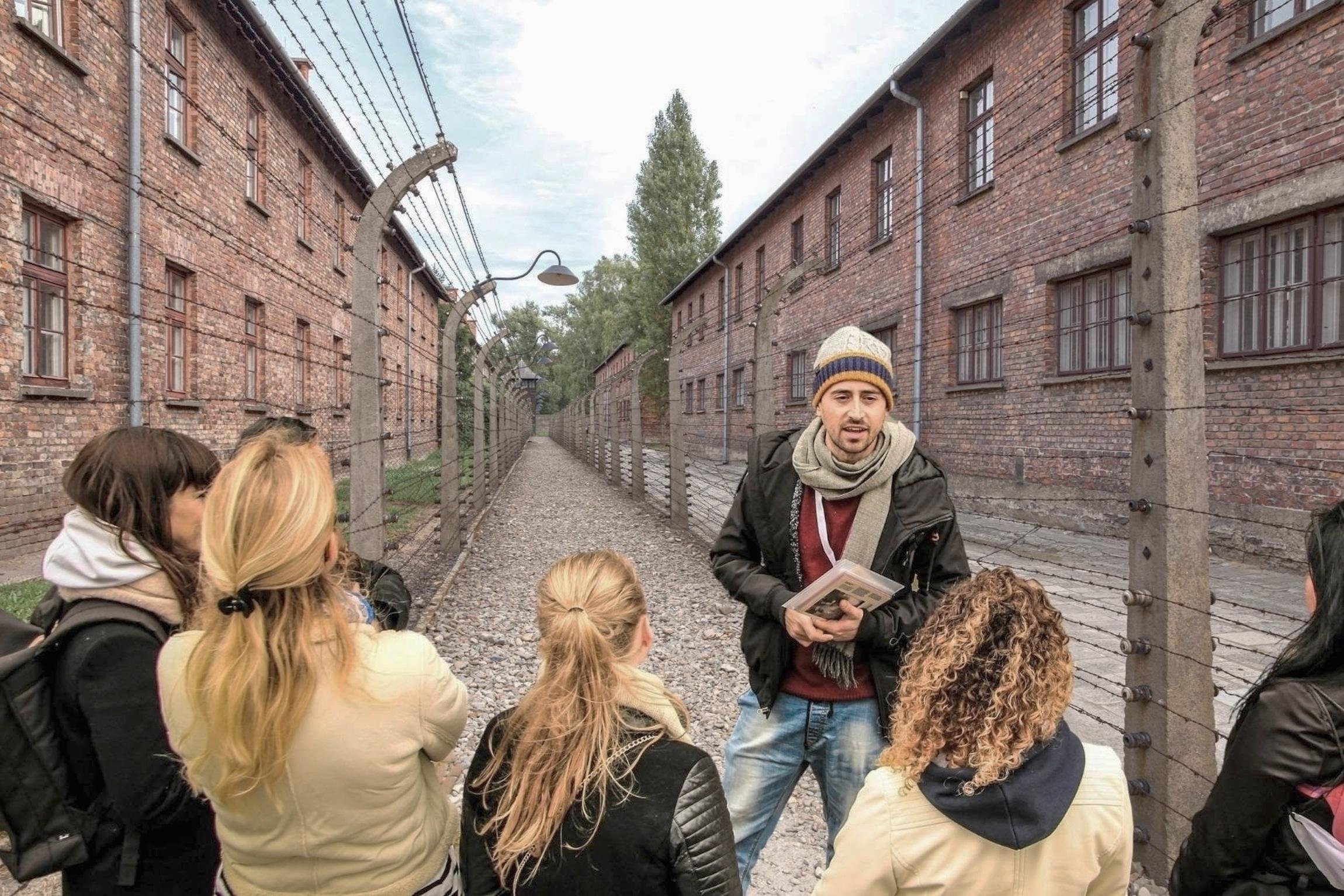
You meet your guide in Krakow's hotel lobby at 07:30, boarding a minibus that crosses the Vistula and climbs into Małopolska's rolling farmland. Your historian begins the narrative en route, establishing the chronology of Nazi occupation and the camp's evolution from political prison to extermination center. Sixty-five kilometers later, you pass through the museum's security checkpoint into Auschwitz I, where the notorious gate confronts you immediately. Your group moves through Block 4's photographic exhibition, then Block 5's material evidence rooms, where the weight of accumulated belongings compresses individual tragedy into incomprehensible totals. You stand in the execution courtyard between Blocks 10 and 11, then descend into the starvation cells where Maksymilian Kolbe died. The guide's commentary bridges artifacts and historical record without sensationalism. A short transfer brings you to Birkenau's railway gate. You walk the platform where selections occurred, then follow the track toward the ruins of Crematorium II. The scale reveals itself: rows of chimney stacks mark vanished barracks extending toward distant treelines. Wind crosses the open ground. Your guide allows silence at the memorial plaques before the return journey begins, the afternoon light casting long shadows across preserved evidence of humanity's darkest capacity.
The site is open daily from 07:30–19:00.
Entry is 0 PLN, but reservations are required online.
You can book official auschwitz tour packages via the museum website.
The museum recommends the site for those 14 years and older due to the sensitive history.
Bags must be smaller than 30x20x10 cm to be allowed.
Photography is allowed for personal use without flash or tripods.
The best arrival window is 07:30–10:00 to avoid mid-morning crowds.
Yes, the museum is accessible, though some paths may be uneven.
Food is not permitted in the exhibits; please consume outside.
Plan for at least 4-5 hours to fully explore the Auschwitz-Birkenau memorial.